Key Design Features of Japanese Home Renovations
Japanese home design is rooted in minimalism, often inspired by Zen principles that prioritize simplicity, harmony, and connection to nature. Core elements include neutral color palettes, natural materials like wood, bamboo, and stone, and an emphasis on open, flowing spaces that maximize light and air circulation. Unlike Western designs that might fill rooms with furniture, Japanese interiors focus on functionality and tranquility, using sliding shoji screens or fusuma doors to create flexible room divisions without permanent walls.
One hallmark is the integration of tatami mats—woven straw flooring that provides insulation and a soft underfoot feel. Modern updates often combine traditional tatami with contemporary touches, such as low-profile furniture or built-in storage to keep clutter at bay. Lighting plays a crucial role too, with soft, diffused illumination from paper lanterns or recessed fixtures mimicking natural sunlight.
In urban apartments or compact homes, space-saving innovations shine. Think elevated platforms for sleeping areas, underfloor storage (known as “oshiire”), and multifunctional furniture like kotatsu tables that double as heaters in winter. These features not only enhance livability but also reflect Japan’s cultural value of “mottainai”—avoiding waste by making the most of what’s available.
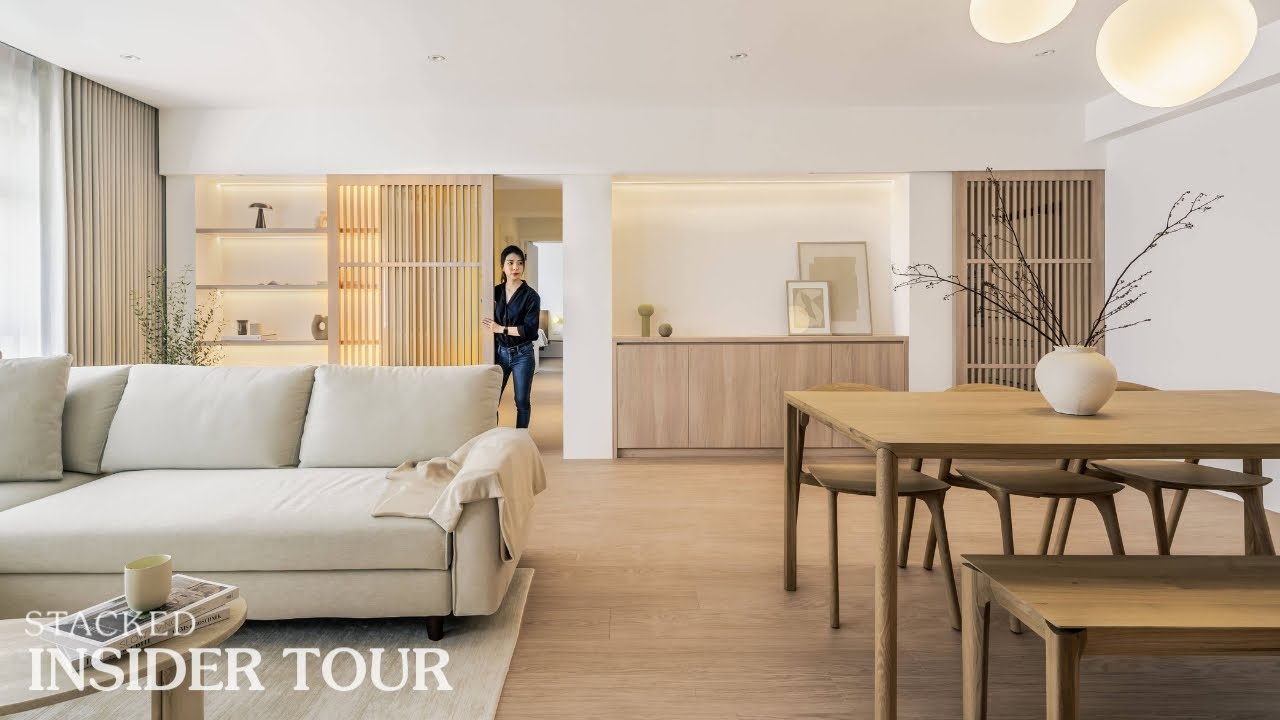
Inside A Japanese Minimalist 1,216 Sqft HDB Home
Achieving Low-Cost Renovations: Tips and Strategies
Renovating on a budget in Japan is feasible, especially with the abundance of affordable materials and DIY-friendly approaches. Full apartment renovations can start from around 5-10 million JPY (roughly $35,000-$70,000 USD), but targeted updates like refreshing kitchens or bathrooms can be done for much less. For older homes, including akiya (vacant houses often sold cheaply in rural areas), costs average 20 million JPY for comprehensive fixes, but savvy homeowners cut expenses by reusing existing structures.
Key low-cost tactics include:
- Repurposing Materials: Use inexpensive curtains or sliding panels as room dividers instead of building new walls. Bamboo blinds or recycled wood can update windows and floors without major overhauls.
- DIY Elements: Simple tasks like painting walls in earthy tones or refinishing tatami mats can transform a space. Online tutorials and local hardware stores like Daiso offer budget tools and supplies.
- Energy-Efficient Upgrades: Install LED lighting or compact appliances to reduce long-term costs, aligning with Japan’s eco-conscious mindset.
- Before-and-After Transformations: Many renovations focus on stripping away outdated elements, such as removing old roofs or porches, to reveal clean lines. This approach has been popularized in projects where homeowners spend as little as $4,000-$6,000 USD on initial phases.
Sustainability is a bonus—renovating older homes preserves cultural heritage while minimizing environmental impact through larger gardens and efficient layouts.
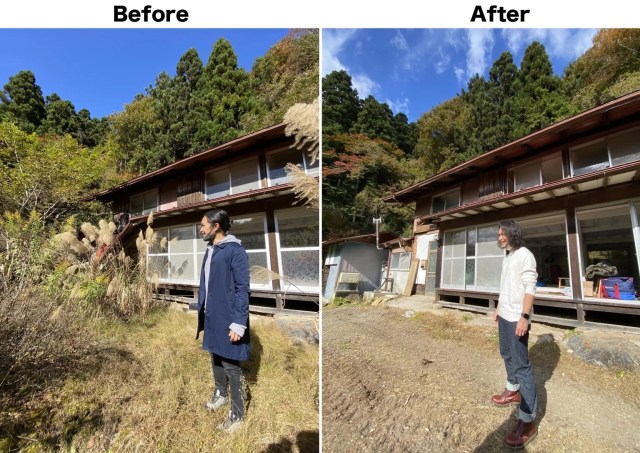
Turning a crazy cheap country Japanese house into a home — Step 14 …
Room-Specific Ideas: Kitchens and Tatami Spaces
Let’s zoom in on two common areas where low-cost designs excel.
Compact Kitchens: Japanese kitchens are masters of efficiency, often fitting into small footprints with clever storage. Opt for modular cabinets, wall-mounted shelves, and slim appliances to keep costs down. Natural wood countertops or affordable laminate mimics provide a clean, Japandi (Japanese-Scandinavian hybrid) look. A renovation might involve updating fixtures for under $2,000 USD, focusing on functionality over luxury.

Japandi Kitchen Design Ideas for Small Spaces | Minimalist & Stylish
Modern Tatami Rooms: Traditional tatami rooms get a budget refresh by blending old and new. Replace worn mats with affordable synthetic alternatives that resist moisture, and add low seating or futons for versatility. This creates a multipurpose space for relaxation, work, or guests, often costing less than $1,000 USD per room.
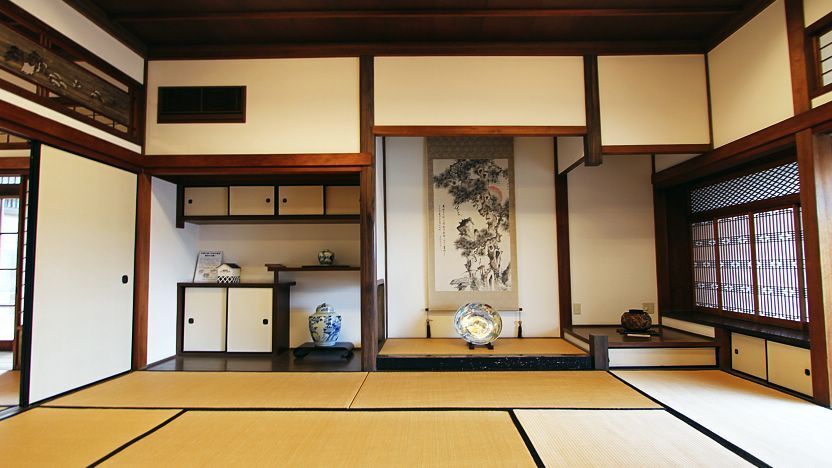
Traditional Japanese-style tatami rooms
Final Thoughts
Renovating a Japanese home affordably isn’t about cutting corners—it’s about embracing principles of simplicity and resourcefulness that have defined the culture for centuries. Whether you’re tackling an urban apartment or a countryside akiya, these designs offer timeless appeal with minimal expenditure. By focusing on natural materials, multifunctional spaces, and thoughtful updates, you can create a haven that’s both economical and elegantly serene. Ready to start your own transformation?